ఆధ్యాత్మిక మార్గదర్శనం
వినాయకుడు – జ్యోతిష సంబంధం – 32 గణపతి రూపాల విశేషాలు
భారతీయ ఆధ్యాత్మిక సంప్రదాయంలో శ్రీ వినాయకుడు ప్రథమ పూజ్యుడు. ఏ శుభకార్యాన్ని ప్రారంభించినా ముందుగా గణపతిని పూజించడం ఆనవాయితీ. “గణానాం త్వా గణపతిం హవామహే” అనే వేదమంత్రం ఆయన మహత్తును తెలియజేస్తుంది. ‘గణపతి’ అంటే గణాలకు అధిపతి; ‘వినాయకుడు’ అంటే తనకు మరొక నాయకుడు లేనివాడు; ‘విఘ్నేశ్వరుడు’ అంటే విఘ్నాలను నియంత్రించి తొలగించేవాడు. బుద్ధి, జ్ఞానం, వివేకం, విద్య, కార్యసిద్ధి, శుభారంభం మొదలైన వాటికి వినాయకుడు అధిదేవతగా ఆరాధించబడుతున్నాడు.
Mylavarapu Venkateswara Rao··10 min read·924 views
వినాయకుని రూపంలోని అంతరార్థం
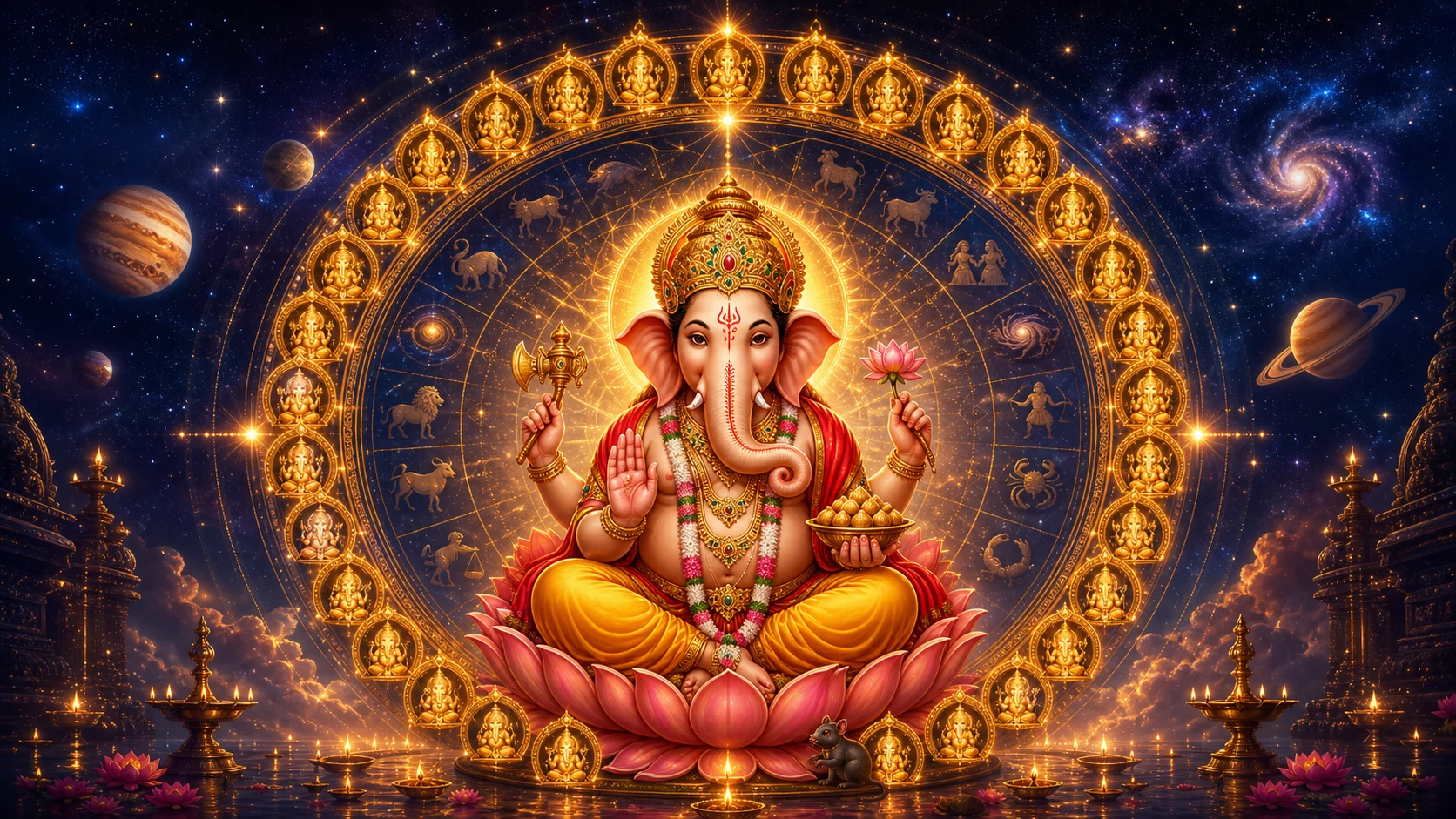
వినాయకుని రూపంలో లోతైన తాత్త్విక సందేశం ఉంది. ఏనుగు తల జ్ఞానం, బలం, దూరదృష్టికి సంకేతం. పెద్ద చెవులు ఇతరులు చెప్పేది శ్రద్ధగా వినాలని సూచిస్తాయి. చిన్న కళ్ళు ఏకాగ్రతను తెలియజేస్తాయి. తొండం సూక్ష్మమైన పనినీ, కఠినమైన పనినీ చేయగల సామర్థ్యానికి ప్రతీక. విరిగిన ఏకదంతం జ్ఞానసాధన కోసం త్యాగం చేయాలనే సందేశాన్ని ఇస్తుంది. పెద్ద ఉదరం జీవితంలోని మంచి–చెడులను సమభావంతో స్వీకరించే గుణాన్ని సూచిస్తుంది.
వినాయకుని వాహనమైన మూషికం చంచలమైన మనస్సు, కోరికలు, అహంకారానికి సంకేతంగా భావించబడుతుంది. మూషికంపై గణపతి అధిష్ఠించి ఉండటం అంటే వివేకం ద్వారా కోరికలను, మనస్సును నియంత్రించాలని అర్థం.
వినాయకుడు – జ్యోతిషశాస్త్ర సంబంధం
జ్యోతిషశాస్త్రంలో గణపతి ఆరాధనకు ప్రత్యేక స్థానం ఉంది. జాతక పరిశీలన, ముహూర్త నిర్ణయం, ప్రశ్నశాస్త్రం, హోమం, గ్రహశాంతి వంటి కార్యక్రమాలను గణపతి ప్రార్థనతో ప్రారంభిస్తారు. జ్యోతిషం కాలగతిని, కర్మఫలాన్ని సూచిస్తే, గణపతి ఆరాధన ఆ ఫలితాలను ఎదుర్కొనే బుద్ధి, స్థైర్యం, అనుకూలత కలిగిస్తుందని విశ్వాసం.
గణపతి ప్రధానంగా బుద్ధి, విద్య, వాక్చాతుర్యాలకు కారకుడైన బుధగ్రహంతో సంబంధం కలిగిన దేవతగా భావించబడతాడు. కొన్ని సంప్రదాయాలలో కేతుగ్రహానికి కూడా గణపతిని అధిదేవతగా పేర్కొంటారు. గణపతికి ఏనుగు ముఖం ఉండటం, కేతువు శిరస్సులేని ఛాయాగ్రహంగా ఉండటం, ఇద్దరికీ మోక్షం, అంతర్జ్ఞానం, విఘ్నాల నివారణ వంటి భావాలతో సంబంధం ఉండటం ఇందుకు కారణంగా చెబుతారు. అయితే గ్రహ–దేవతా సంబంధాలు ఆగమ, జ్యోతిష సంప్రదాయాలను బట్టి కొంత మారవచ్చు.
బుధగ్రహంతో సంబంధం
బుధుడు జ్ఞానం, గణితం, వ్యాపారం, సంభాషణ, విద్య, రచన, తార్కికతలకు కారకుడు. గణపతి కూడా బుద్ధి, సిద్ధి, విద్యలకు అధిపతి. అందువల్ల బుధగ్రహ దోషాలు ఉన్నవారు గణపతి ఆరాధన చేయడం శ్రేయస్కరమని జ్యోతిష సంప్రదాయం సూచిస్తుంది. విద్యార్థులు “ఓం గం గణపతయే నమః” అనే మంత్రాన్ని జపించడం వల్ల ఏకాగ్రత, ఆత్మవిశ్వాసం పెరుగుతాయని నమ్మకం.
కేతుగ్రహంతో సంబంధం
కేతువు వైరాగ్యం, ఆధ్యాత్మిక జ్ఞానం, అంతర్ముఖత, గతకర్మ, అకస్మాత్తుగా ఎదురయ్యే ఆటంకాలను సూచిస్తాడు. కేతు దోషం, కేతు దశ లేదా అంతర్దశ సమయంలో గణపతి ఆరాధన చేయాలని కొన్ని జ్యోతిష సంప్రదాయాలు చెబుతాయి. సంకటహర చతుర్థి వ్రతం, గణపతి హోమం, గణేశ మంత్రజపం ఇందుకు అనుకూలమైన ఉపాసనలుగా భావిస్తారు.
చతుర్థి తిథి
శుక్లపక్ష చతుర్థి, కృష్ణపక్ష చతుర్థి తిథులు గణపతి ఆరాధనకు ముఖ్యమైనవి. భాద్రపద శుక్ల చతుర్థిని వినాయక చవితిగా జరుపుకుంటారు. ప్రతి నెల కృష్ణపక్ష చతుర్థిని సంకటహర చతుర్థిగా పాటిస్తారు. చతుర్థి తిథి మనస్సులోని అస్థిరతను నియంత్రించి, విఘ్నాలను అధిగమించే శక్తిని ప్రసాదిస్తుందని విశ్వాసం.
ముప్పై రెండు గణపతి రూపాలు
శిల్ప, ఆగమ సంప్రదాయాలలో గణపతికి అనేక రూపాలు ఉన్నాయి. వాటిలో ప్రసిద్ధమైనవి ముప్పై రెండు గణపతి రూపాలు. ప్రతి రూపం గణపతి తత్త్వంలోని ఒక ప్రత్యేక శక్తిని, సాధనా భావాన్ని తెలియజేస్తుంది. రూపాల వర్ణనలు, ఆయుధాలు, వర్ణాలు కొన్ని గ్రంథాలు–ప్రాంతీయ సంప్రదాయాలలో స్వల్పంగా మారవచ్చు.
1. బాల గణపతి
బాలుని రూపంలో కనిపించే గణపతి. మామిడి, అరటి, పనస, చెరకు వంటి ఫలాలను ధరించి ఉంటాడు. బాల్యం, నిర్మలత్వం, ఆరోగ్యం, ఆనందానికి ప్రతీక.
2. తరుణ గణపతి
యౌవనోత్సాహంతో ప్రకాశించే రూపం. కార్యశక్తి, ధైర్యం, నూతన ప్రయత్నాలు, అభివృద్ధిని సూచిస్తుంది.
3. భక్తి గణపతి
శాంతమైన, ప్రసన్నమైన రూపం. కొబ్బరికాయ, అరటి, పాయసం వంటి నైవేద్య పదార్థాలను ధరించి ఉంటాడు. భక్తి, వినయం, మనశ్శాంతిని ప్రసాదించే రూపంగా భావిస్తారు.
4. వీర గణపతి
అనేక చేతులతో ఆయుధాలు ధరించిన శక్తిమంతమైన రూపం. శత్రుభయం, అంతర్గత బలహీనతలు, ప్రతికూల పరిస్థితులను ఎదుర్కొనే ధైర్యానికి ప్రతీక.
5. శక్తి గణపతి
తన శక్తిని ఒడిలో కూర్చోబెట్టుకున్న రూపం. శివ–శక్తుల ఐక్యం, కుటుంబసౌఖ్యం, సృజనాత్మకత, రక్షణను సూచిస్తుంది.
6. ద్విజ గణపతి
నాలుగు ముఖాలతో, జపమాల, కమండలం, గ్రంథం వంటి వాటిని ధరించిన రూపం. వేదవిద్య, జ్ఞానం, అధ్యయనం, ఆధ్యాత్మిక సాధనకు ప్రతీక.
7. సిద్ధి గణపతి
కార్యసిద్ధి ప్రసాదించే రూపం. మామిడి పండు, పుష్పాలు, చెరకు మొదలైన వాటిని ధరించి ఉంటాడు. ప్రారంభించిన కార్యాలు విజయవంతం కావాలని ఈ రూపాన్ని ఆరాధిస్తారు.
8. ఉచ్ఛిష్ట గణపతి
తాంత్రిక ఉపాసనలో ప్రాధాన్యం కలిగిన విశిష్ట రూపం. మంత్రసిద్ధి, కళలు, అంతర్గత శక్తుల మేల్కొలుపుతో సంబంధం కలిగి ఉంటుంది. ఈ రూపారాధనను గురువు మార్గదర్శకత్వంలో చేయడం సంప్రదాయం.
9. విఘ్న గణపతి
విఘ్నాలను నియంత్రించే రూపం. శంఖం, చక్రం, పాశం, అంకుశం మొదలైన వాటిని ధరించి ఉంటాడు. కార్యాల్లో ఎదురయ్యే ఆటంకాలు తొలగాలని పూజిస్తారు.
10. క్షిప్ర గణపతి
భక్తుల ప్రార్థనలకు త్వరగా స్పందించే రూపం. ‘క్షిప్ర’ అంటే వేగంగా అనుగ్రహించేవాడు. అత్యవసర సమస్యల పరిష్కారం, కార్యసిద్ధి కోసం ఆరాధిస్తారు.
11. హేరంబ గణపతి
ఐదు ముఖాలు, పది చేతులు కలిగి, సింహవాహనంపై కనిపించే రూపం. బలహీనులను రక్షించేవాడిగా ప్రసిద్ధి. భయం, అసురక్షిత భావం తొలగించడానికి ఈ రూపాన్ని ధ్యానిస్తారు.
12. లక్ష్మీ గణపతి
సిద్ధి, బుద్ధి లేదా శక్తి స్వరూపిణులతో కూడి కనిపిస్తాడు. ధనం, ధాన్యం, ఐశ్వర్యం, కుటుంబసంపదను సూచించే రూపం.
13. మహా గణపతి
గణపతి రూపాలలో అత్యంత వైభవవంతమైనది. అనేక ఆయుధాలు, ఫలాలు, రత్నకలశం ధరించి శక్తితో కలిసి దర్శనమిస్తాడు. సంపూర్ణ ఐశ్వర్యం, ఆధ్యాత్మిక–భౌతిక విజయాలకు ప్రతీక.
14. విజయ గణపతి
విజయాన్ని ప్రసాదించే రూపం. సాధారణంగా మూషికవాహనంపై దర్శనమిస్తాడు. పోటీలు, పరీక్షలు, వ్యాపార ప్రయత్నాలు, న్యాయమైన కార్యాలలో విజయానికి పూజిస్తారు.
15. నృత్య గణపతి
ఆనందంతో నృత్యం చేస్తున్న రూపం. సంగీతం, నాట్యం, సాహిత్యం, చిత్రకళ వంటి కళలకు అధిదేవతగా భావిస్తారు. సృజనాత్మకత, ఆనందానికి సంకేతం.
16. ఊర్ధ్వ గణపతి
శక్తితో కలిసి ఉన్నత స్థితిని సూచించే రూపం. జీవశక్తి ఊర్ధ్వముఖంగా ప్రయాణించడం, ఆధ్యాత్మిక వికాసం, ఉన్నత లక్ష్యాలను సూచిస్తుంది.
17. ఏకాక్షర గణపతి
గణపతి బీజాక్షరమైన “గం” తత్త్వానికి ప్రతిరూపం. ధ్యానం, మంత్రజపం, ఏకాగ్రత, ఆత్మజ్ఞాన సాధనకు సంబంధించిన రూపం.
18. వర గణపతి
భక్తులు కోరిన శుభవరాలను ప్రసాదించే రూపం. ఒక చేతితో వరద ముద్రను ప్రదర్శిస్తాడు. సత్సంకల్పాలు, కోరికల సాఫల్యం కోసం ఆరాధిస్తారు.
19. త్ర్యక్షర గణపతి
మూడు అక్షరాల మంత్రతత్త్వాన్ని సూచించే రూపం. శరీరం, మనస్సు, ఆత్మల సమన్వయానికి ప్రతీకగా భావిస్తారు.
20. క్షిప్రప్రసాద గణపతి
త్వరగా ప్రసన్నుడై అనుగ్రహించే రూపం. దర్భాసనం లేదా పద్మంపై ఆసీనుడై, రత్నకలశం మొదలైన వాటితో దర్శనమిస్తాడు. అకస్మాత్తుగా వచ్చే సంకటాల నివారణకు పూజిస్తారు.
21. హరిద్రా గణపతి
పసుపు వర్ణంలో దర్శనమిచ్చే గణపతి. పసుపుతో చేసిన గణపతి ప్రతిమను పూజించే సంప్రదాయంతో ఈ రూపానికి సంబంధం ఉంది. మంగళం, వివాహం, ఐశ్వర్యం, రక్షణకు ప్రతీక.
22. ఏకదంత గణపతి
ఒకే దంతంతో కనిపించే ప్రసిద్ధ రూపం. త్యాగం, ఏకాగ్రత, జ్ఞానరచనకు ప్రతీక. మహాభారతాన్ని వ్యాసమహర్షి చెప్పగా గణపతి తన దంతాన్ని కలంగా చేసుకొని రచించాడనే కథ ప్రసిద్ధి.
23. సృష్టి గణపతి
సృష్టికార్యాన్ని సూచించే రూపం. కొత్త పనులు, నూతన సంస్థలు, గృహనిర్మాణం, సృజనాత్మక ప్రణాళికల ప్రారంభంలో ఆరాధిస్తారు.
24. ఉద్దండ గణపతి
ధర్మానికి విరుద్ధంగా ప్రవర్తించే శక్తులను కఠినంగా నియంత్రించే రూపం. అనేక చేతులతో ఆయుధాలు ధరించి శక్తివంతంగా కనిపిస్తాడు. అన్యాయం, దుష్టశక్తుల నుంచి రక్షణకు ప్రతీక.
25. ఋణమోచన గణపతి
ఋణబాధల నుంచి విముక్తిని ప్రసాదించే రూపంగా ప్రసిద్ధి. ఇక్కడ ఋణం అంటే కేవలం ధనరుణమే కాకుండా కర్మరుణం, బాధ్యతల భారమని కూడా భావించవచ్చు. క్రమశిక్షణతో కూడిన ప్రయత్నానికి దైవబలం లభించాలని ఆరాధిస్తారు.
26. ఢుంఢి గణపతి
అన్వేషిస్తే లభించే దైవతత్త్వాన్ని సూచించే రూపం. కాశీక్షేత్ర సంప్రదాయంలో ఢుంఢి గణపతికి విశేష స్థానం ఉంది. అంతర్ముఖ అన్వేషణ, ఆత్మజ్ఞానానికి సంకేతం.
27. ద్విముఖ గణపతి
రెండు ముఖాలతో కనిపించే రూపం. ఒక విషయాన్ని వివిధ కోణాలలో పరిశీలించే జ్ఞానం, గతం–భవిష్యత్తుపై అవగాహనకు ప్రతీక.
28. త్రిముఖ గణపతి
మూడు ముఖాలతో దర్శనమిస్తాడు. భూత, వర్తమాన, భవిష్యత్ కాలాలకు లేదా సత్వ, రజస్, తమస్ అనే మూడు గుణాలపై ఆధిపత్యానికి ప్రతీకగా భావిస్తారు.
29. సింహ గణపతి
సింహసంబంధ రూపంలో దర్శనమిచ్చే గణపతి. ధైర్యం, నాయకత్వం, ఆత్మవిశ్వాసం, భయరాహిత్యాన్ని సూచిస్తాడు.
30. యోగ గణపతి
ధ్యానముద్రలో కనిపించే రూపం. ఇంద్రియనిగ్రహం, మనోనిగ్రహం, యోగసాధన, ఆత్మానుభూతికి ప్రతీక.
31. దుర్గా గణపతి
దుర్గాదేవి శక్తిని తనలో కలిగిన వీరరూపం. దుష్టశక్తుల నుంచి రక్షణ, కష్టాలను ఎదుర్కొనే శక్తి, విజయాన్ని ప్రసాదిస్తాడని విశ్వాసం.
32. సంకటహర గణపతి
సంకటాలను తొలగించే ప్రసిద్ధ రూపం. శక్తితో కలిసి పద్మాసనంపై దర్శనమిస్తాడు. కుటుంబ సమస్యలు, ఆరోగ్య బాధలు, మానసిక ఆందోళనలు, కార్యవిఘ్నాల నివారణ కోసం ఈ రూపాన్ని ఆరాధిస్తారు.
గణపతి ఆరాధనలోని జ్యోతిష–మానసిక ప్రయోజనం
గణపతి ఆరాధన గ్రహదోషాల నివారణకు మాత్రమే పరిమితం కాదు. మనిషిలో సరైన నిర్ణయశక్తి, సహనం, ఏకాగ్రత, ఆత్మవిశ్వాసం పెంపొందించడం దాని అంతరార్థం. జాతకంలో ప్రతికూల గ్రహస్థితులు ఉన్నప్పటికీ వాటిని భయంతో కాకుండా వివేకంతో ఎదుర్కోవాలని గణపతి తత్త్వం బోధిస్తుంది.
గణపతికి గరిక సమర్పించడం వినయానికి, మోదకం సమర్పించడం జ్ఞానసాధన అనంతరం లభించే ఆనందానికి ప్రతీక. కొబ్బరికాయను కొట్టడం అహంకారాన్ని విడిచిపెట్టడాన్ని సూచిస్తుంది. ప్రదక్షిణ చేయడం విశ్వమంతా పరమాత్మ స్వరూపమేనని గ్రహించడాన్ని తెలియజేస్తుంది.
“ఓం గం గణపతయే నమః” అనే మంత్రాన్ని భక్తితో జపించడం సులభమైన గణపతి ఉపాసన. విద్యార్థులు, రచయితలు, కళాకారులు, వ్యాపారులు, కొత్త కార్యాన్ని ప్రారంభించేవారు గణపతిని ప్రార్థించడం భారతీయ సంస్కృతిలో భాగమైంది.
ముగింపు
శ్రీ వినాయకుడు కేవలం విఘ్నాలను తొలగించే దేవుడు మాత్రమే కాదు; బుద్ధి, వివేకం, ధైర్యం, క్రమశిక్షణ, ఆత్మజ్ఞానం ప్రసాదించే పరమతత్త్వం. జ్యోతిషశాస్త్రంలో ఆయన ఆరాధన బుధుని జ్ఞానశక్తితో, కేతువు సూచించే ఆధ్యాత్మిక పరివర్తనతో, చతుర్థి తిథితో సంబంధం కలిగి ఉంది. ముప్పై రెండు గణపతి రూపాలు మానవ జీవితంలోని బాల్యం, విద్య, శక్తి, భక్తి, సంపద, విజయం, సృష్టి, యోగం, సంకటవిమోచనం వంటి వివిధ పార్శ్వాలకు ప్రతీకలు.
మనలోని అజ్ఞానం, భయం, అహంకారం, చంచలత్వమే నిజమైన విఘ్నాలు. వాటిని జ్ఞానం, వివేకం, భక్తితో అధిగమించడమే గణపతి ఆరాధనలోని పరమ సందేశం.
“వక్రతుండ మహాకాయ సూర్యకోటి సమప్రభ।
నిర్విఘ్నం కురుమే దేవ సర్వకార్యేషు సర్వదా॥”